ARISANFIT Ikebukuro › Fitness in Tokyo
10-Minute Hotel Room Stretching Routine for Travel Stiffness (from a Tokyo Trainer)
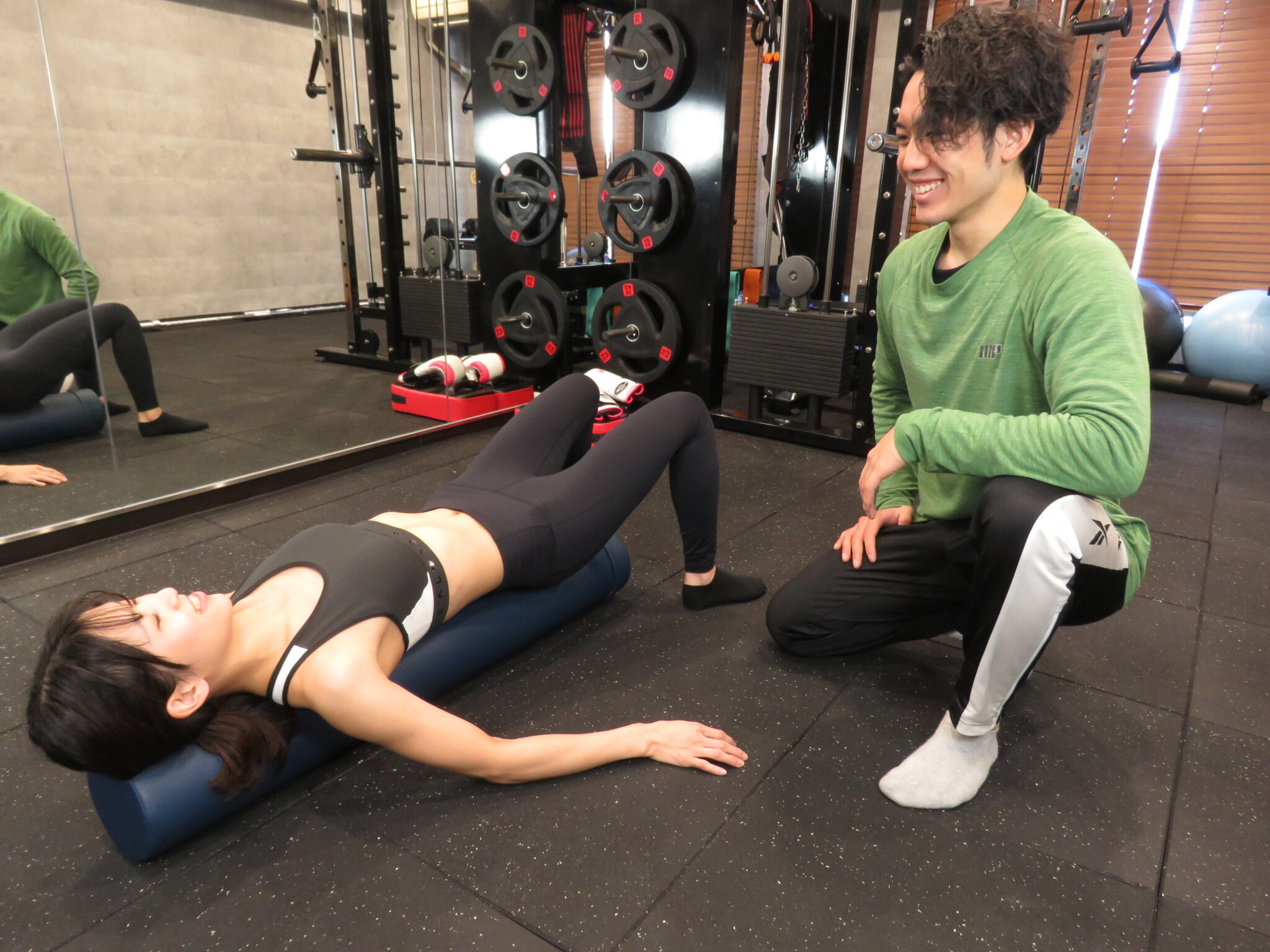
The same kind of moves we use in our 60-minute travel sessions in Ikebukuro.
Here's a pattern we know well as trainers: travelers arrive stiff from a 12-hour flight, then walk 20,000 steps a day around Tokyo. By day three, their hips are tight, their lower back aches and their legs feel heavy.
You don't need a gym to fix most of that. This is the kind of 10-minute routine we give clients to do in their hotel room. No equipment, very little floor space.
Why travel makes you stiff
Two things happen on a trip to Tokyo. First, hours of sitting: the hips stay bent, the upper back rounds, the calves barely move. Then the opposite: long days of walking on hard pavement, stairs at every station and a heavy bag on one shoulder.
The result is a familiar pattern — tight front of the hips, a stiff upper back, tired calves and a lower back that takes the load. The routine below targets exactly those areas, in that order.
The 10-minute hotel room routine
1. Wall check (1 min)
Stand with your heels, buttocks, upper back and the back of your head against the wall. Notice what doesn't touch easily and where the gap behind your lower back is big. That's your starting point — check again at the end.
2. Cat–cow (1 min)
On hands and knees, slowly round your back as you breathe out, then let your chest drop forward as you breathe in. Move one vertebra at a time. 8–10 slow reps.
3. Half-kneeling hip flexor stretch (1 min each side)
Kneel on one knee (put a folded towel under it). Tuck your pelvis slightly, squeeze the glute of the back leg and shift forward until you feel the front of the hip stretch. Hours in a plane seat shorten this area.
4. Seated forward fold with bent knees (1 min)
Sit on the floor with legs straight. Bend your knees as much as you need to sit tall on your sit bones, then hinge forward from the hips with a long back. Stretch the back of the thighs, not the lower back.
5. Glute bridge (1 min)
Lie on your back, knees bent, feet flat. Push through your heels and lift your hips until your body is straight from knees to shoulders. Pause, lower slowly. 10–12 reps.
6. Open book (1 min each side)
Lie on your side with knees bent at 90°. Keep your knees together and sweep your top arm open across your body, rotating your upper back toward the floor behind you. Breathe out as you open.
7. Calf stretch against the wall (30 sec each side)
Hands on the wall, one foot back, heel down, back knee straight. Lean forward until you feel the calf. Walking all day on hard city streets tightens this area.
8. Dead bug (1 min)
Lie on your back, arms up, knees bent at 90°. Keep your lower back pressed into the floor and slowly lower the opposite arm and leg while breathing out. Return and switch. Slow and controlled.
On the plane: what the CDC recommends
The U.S. Centers for Disease Control and Prevention notes that anyone traveling more than 4 hours, by air, car, bus or train, can be at risk for blood clots, and advises moving your legs frequently and walking around every 1–2 hours. Simple ankle circles and calf raises in your seat help you stay mobile between walks.
When to stop and see a doctor
Stretching should feel like a stretch, not pain. Stop if anything hurts, or if you feel numbness or tingling. Get medical help if you notice swelling, pain or tenderness in one leg, warmth or redness in the leg, chest pain or shortness of breath after a long trip — the CDC lists these as possible signs of blood clots.
Want someone to check your body in person?
At ARISANFIT Ikebukuro, an English-speaking trainer checks your posture, works on exactly where you're tight and films a few moves on your phone for your hotel room. One private 60-minute session, no membership.
See the 60-min sessionLiving in Tokyo? Regular plans →FAQ
How do I stretch after a long flight?
Start gently: a few minutes of easy movement for the hips, back and calves. The 10-minute routine on this page — cat–cow, hip flexor stretch, forward fold, glute bridge, open book, calf stretch and dead bug — needs no equipment and fits in a small hotel room.
Can I do this routine in a small hotel room?
Yes. You only need enough floor space to lie down and a wall. Put a towel under your knee for the kneeling stretch.
When should I see a doctor instead of stretching?
If you have swelling, pain or tenderness in one leg, warmth or redness in the leg, or chest pain or shortness of breath after a long trip, get medical help. The CDC lists these as possible signs of blood clots.
How often should I move during a long flight?
The CDC advises long-distance travelers to move their legs frequently and walk around every 1–2 hours.
Is there a personal trainer in Tokyo who can help with travel stiffness?
Yes. At ARISANFIT Ikebukuro, an English-speaking trainer runs one-off 60-minute private sessions for travelers: a posture check, training and stretching built around what we find, and a check of what changed.
U.S. Centers for Disease Control and Prevention — Understanding Your Risk for Blood Clots with Travel: https://cdc.gov/blood-clots/risk-factors/travel.html
CDC Yellow Book — Deep Vein Thrombosis and Pulmonary Embolism: https://www.cdc.gov/yellow-book/hcp/travel-air-sea/deep-vein-thrombosis-and-pulmonary-embolism.html
This routine is general exercise guidance, not medical treatment. Results vary from person to person.
- Private 60-min training session in Ikebukuro (English OK)
- Gyms in Ikebukuro for travelers
- Saizeriya calories in English: all 86 menu items
- English-speaking personal trainers in Tokyo: prices and options
- High-protein food at Japanese convenience stores
- Gym day pass in Tokyo: where tourists can work out
- Healthy restaurants in Ikebukuro: calories and protein