ARISANFIT Ikebukuro › Living in Tokyo
How to Lose Weight in Japan — Without Giving Up Japanese Food
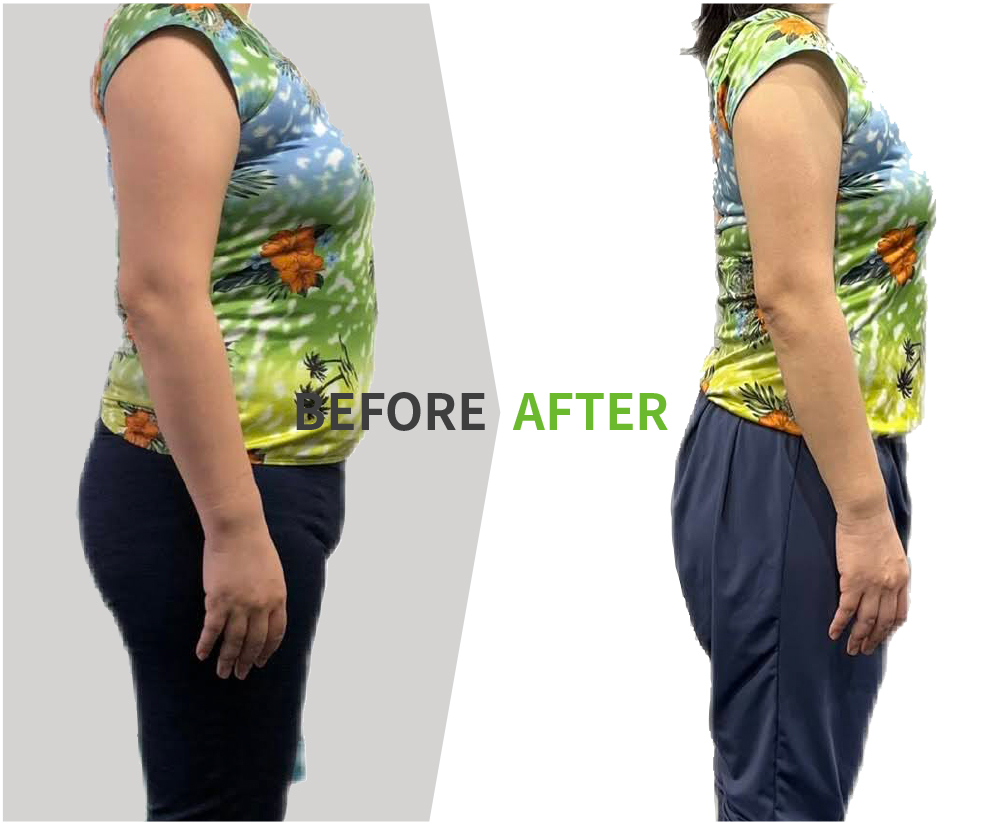
An ARISANFIT member: −34 cm around the waist, without starving. *Individual results vary.
"I thought Japanese food was healthy. So why do my jeans not fit?"
If that sounds familiar, you're not alone. Japanese food can be some of the leanest in the world. But daily life here is full of easy calories — and most of them don't look like junk food.
The fix isn't to stop eating. It's to know which choices add up.
Why people gain weight in Japan
1. Fried food is everywhere — and cheap
Karaage, tonkatsu, tempura, chicken nanban. They're on every set-meal menu and in every convenience store hot case.
2. Rice refills
Some set-meal chains offer free rice refills — Yayoiken, for example, says rice refills are free with set meals. Every extra bowl adds up.
3. Convenience stores never close
A konbini on every corner makes late-night snacks and sweet drinks very easy.
4. You move differently
Some people walk more in Tokyo; others lose the sport, gym or routine they had at home. If your old exercise habit disappeared, so did a lot of the calories you used to burn.
Same restaurant, smarter choice (official numbers)
You don't have to change where you eat. Change what you order.
| Where | Instead of… | Try… | Difference |
|---|---|---|---|
| Ootoya (set meal chain) | Extra-portion chicken thigh nanban set — 1,759 kcal | Charcoal-grilled Atka mackerel set — 612 kcal, 45.5 g protein | −1,147 kcal |
| Ootoya rice | Regular white rice (180 g) — 302 kcal | Small rice (100 g) — 168 kcal | −134 kcal |
| MOS Burger | Mos Vegetable Burger — 363 kcal | Natsumi Mos Vegetable (lettuce bun) — 223 kcal | −140 kcal |
| Convenience store lunch | — | Lawson salad chicken (plain) — 141 kcal, 30.3 g protein | A high-protein base for any meal |
From each chain's official website, checked November 2026. Ootoya sets include rice, miso soup and pickles; data from the Ootoya Ikebukuro East Exit menu. Menus and nutrition can change.
More data: healthy restaurants in Ikebukuro · high-protein convenience store food · Saizeriya calories in English
5 rules our members use
1. Protein first
Start every meal with a protein source: grilled fish, salad chicken, eggs, tofu or natto. It keeps you full and helps you keep muscle while you lose fat.
2. Say ごはん少なめ
"Gohan sukuname" — less rice. Staff at set-meal restaurants will know what you mean. Skip the refill.
3. Grilled over fried
Look for 焼き (yaki, grilled), 蒸し (mushi, steamed) or 刺身 (sashimi). Fried is 揚げ (age), 唐揚げ (karaage) or カツ (katsu).
4. Make the konbini work for you
Salad chicken, boiled eggs and protein drinks instead of pastries and sweet coffee. See where to buy protein in Tokyo.
5. Keep eating — regularly
Three real meals beat one giant late-night ramen.
Don't starve yourself
At ARISANFIT, our approach is eat well and get lean: enough food, the right balance, and training built around your body. We care more about how you look and whether the result lasts than about a number on the scale.
About 8 in 10 of our members are women who were beginners at exercise when they started.
When a personal trainer helps
General rules get you started. But the right exercises depend on your posture, your joints and how you move — the wrong program can build the wrong muscles or lead to injury. That's where one-on-one coaching makes the difference.
At ARISANFIT Ikebukuro, an English-speaking trainer coaches you through training and food. It's a private gym, not a crowded gym floor — and tattoos are fine.
Living in Tokyo? Start with a free trial
Private 1-on-1 training in English at ARISANFIT Ikebukuro, 30 seconds from Kita-Ikebukuro Station. Regular plans from once a week, with food advice. Send us a message on LINE in English.
Book a free trial on LINEAbout ARISANFIT Ikebukuro →General information, not medical advice. If you have a health condition or take medication, talk to your doctor before changing your diet. *Individual results vary.
FAQ
Why do people gain weight after moving to Japan?
Usually it's not Japanese food itself — it's the easy, cheap extras: fried dishes, large or refilled bowls of rice, ramen late at night and convenience-store snacks. Many people also lose the sport or exercise routine they had at home.
Can you lose weight eating Japanese food?
Yes. Japanese set meals built around grilled fish and vegetables can be filling and high in protein. For example, Ootoya's charcoal-grilled Atka mackerel set is 612 kcal with 45.5 g of protein, according to Ootoya's official menu.
How do I order less rice in Japanese?
Say ごはん少なめ (gohan sukuname). At Ootoya, a small bowl of rice (100 g) is 168 kcal versus 302 kcal for a regular 180 g bowl — 134 kcal less.
Is it better to skip meals to lose weight?
We don't recommend it. Skipping meals usually leads to overeating later and makes it harder to keep muscle. It's more sustainable to eat regular meals built around protein and vegetables, and adjust portions of rice, fried food and snacks.
Is there a personal trainer in Tokyo who speaks English for weight loss?
Yes. ARISANFIT Ikebukuro has an English-speaking trainer and offers regular plans with food and training advice for people living in Tokyo. You can start with a free trial session booked on LINE.
Ootoya — Ikebukuro East Exit menu: https://www.ootoya.com/menu_list/index/27186 · Atka mackerel set: https://www.ootoya.com/menu_list/view/27186/1308 · Chicken nanban (extra portion): https://www.ootoya.com/menu_list/view/27186/1280
Yayoiken — Tokyo menu (rice refills): https://www.yayoiken.com/menu_list/index/13
MOS Burger — Nutrition: https://www.mos.jp/menu/nutrition/
Lawson — Salad chicken line-up: https://www.lawson.co.jp/recommend/original/select/salad/index.html
- Private 60-min training session in Ikebukuro (English OK)
- Gyms in Ikebukuro for travelers
- Saizeriya calories in English: all 86 menu items
- English-speaking personal trainers in Tokyo: prices and options
- High-protein food at Japanese convenience stores
- Gym day pass in Tokyo: where tourists can work out
- 10-minute hotel room stretching routine for travel stiffness
- Healthy restaurants in Ikebukuro: calories and protein
- Gyms in Tokyo with tattoos: official rules at major chains
- Jet lag in Tokyo: what actually helps
- Where to buy protein in Tokyo: drinks, powder and bars