ARISANFIT Ikebukuro › Travel health in Tokyo
Jet Lag in Tokyo: What Actually Helps (Light, Sleep and Movement)
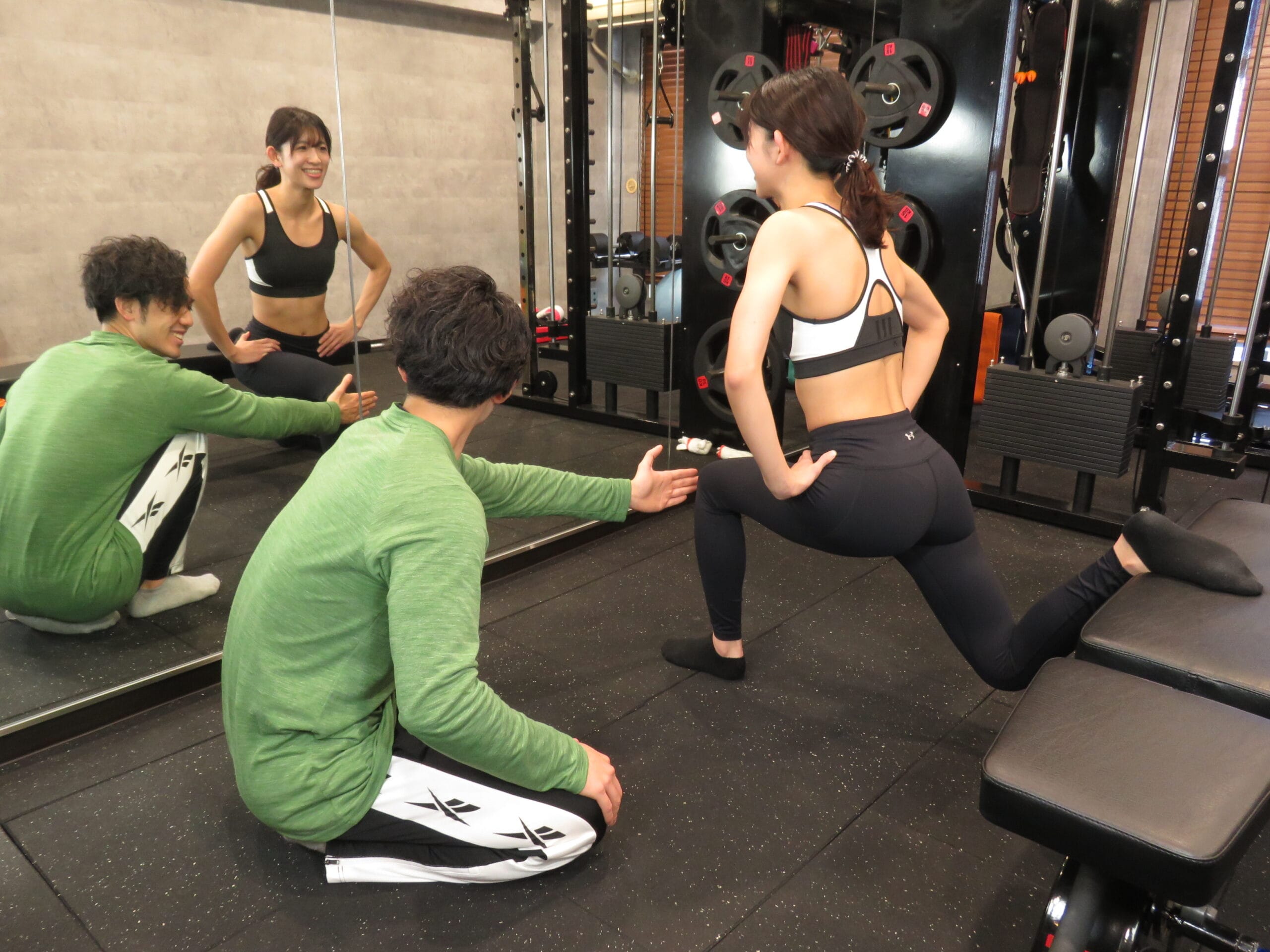
A daytime session in Ikebukuro. Moving in daylight is one of the easiest ways to anchor your first days in Tokyo.
Wide awake at 3 a.m. in a Shinjuku hotel room. Fighting to keep your eyes open at a sushi counter at 7 p.m.
That's jet lag — and in Tokyo, how bad it gets depends mostly on where you flew from. Here's what the CDC's travel guidance says actually helps, translated into a plan for your first days in Japan.
How long jet lag lasts in Tokyo
The CDC Yellow Book gives average adaptation rates of about 1.5 hours per day for westward travel and 1 hour per day for eastward travel. Westward is easier because most people's internal clock runs slightly longer than 24 hours — we naturally drift later.
Here's what that means for common routes to Tokyo, if you do nothing to speed it up:
| Flying from | Time difference (Nov) | What your body clock must do | Rough time to adjust |
|---|---|---|---|
| London | +9 h | Shift earlier (like flying east) | about 9 daysHardest |
| Paris / Berlin / Rome | +8 h | Shift earlier (like flying east) | about 8 daysHard |
| New York / Toronto | Tokyo is 14 h ahead — usually treated as a 10 h shift later | Shift later (like flying west) | about 7 daysModerate |
| Los Angeles / Vancouver | Tokyo is 17 h ahead — usually treated as a 7 h shift later | Shift later (like flying west) | about 5 daysEasier |
| Sydney / Melbourne | −2 h | Shift later | 1–2 daysEasy |
Our estimates, using the CDC's average rates and time differences in November (standard time). Everyone is different — this is a rough guide, not a prediction. From North America, jet lag guides usually treat the trip as the shorter shift — moving your clock later — even though Tokyo's clock is ahead.
Before you fly
Shift your sleep 2–3 days ahead
The CDC suggests moving your sleep by about 1 hour per day for 2–3 days before the trip — earlier if you're coming from Europe, later if you're coming from North America.
Pick your arrival time
If you can, choose a flight that lets you get daylight at a helpful time on arrival. A jet lag calculator app can plan light, sleep and caffeine for your exact route.
On the plane
- Live on Tokyo time. Time meals, sleep and light to the destination time zone.
- Drink water. Dehydration can make the physical symptoms of jet lag worse.
- Go easy on alcohol and caffeine. Alcohol fragments sleep, and both can dehydrate you.
- Get up and move. On flights over 4 hours, walk the aisle every 1–2 hours to lower the risk of blood clots. See our 10-minute stretching routine for after you land.
Your first days in Tokyo
Stay awake until local bedtime
Staying awake through the local day builds up sleep pressure and helps you sleep at night.
Nap short — 20–30 minutes
A short nap can keep you going through the afternoon. Longer naps make it harder to sleep at night.
Watch caffeine after lunch
Caffeine stays in your body for about 5 hours (half-life), according to the CDC. A 4 p.m. coffee in Shibuya can still be working at 9 p.m.
Light: the strongest tool
Light is the main signal your body clock uses to set itself. According to the CDC, bright light in the morning (after the low point of your body clock) shifts it earlier, while light in the evening generally shifts it later.
- From Europe (you need to shift earlier): get outside in the morning daylight and keep evenings dim.
- From North America (you need to shift later): get daylight in the afternoon and early evening.
The best timing also depends on how many time zones you crossed — light at the wrong time can push your clock the wrong way. That's why the CDC recommends a jet lag calculator for personal timing.
Does exercise help with jet lag?
A little — and it's easy to combine with light. A 2019 study in The Journal of Physiology found that one hour of moderate exercise could shift the body clock, earlier or later depending on the time of day it was done. The study wasn't done on travelers, so the exact timing doesn't translate neatly to a Tokyo itinerary.
What we tell travelers: move outside in daylight, keep hard workouts away from bedtime, and use exercise to stay awake through the local day — instead of collapsing at the hotel.
Long flights also leave your hips and back stiff. If you want help with that, our 60-minute private session in Ikebukuro starts with a posture check, then training and stretching built around what we find. Sessions run 10:00–17:00 — right in the daylight hours.
Reset your body in Tokyo
One private 60-minute session with an English-speaking trainer in Ikebukuro. No membership. Just bring comfortable clothes.
See the 60-min sessionLiving in Tokyo? Regular plans →This article is general information, not medical advice. If you have a sleep disorder, take regular medication or have a health condition, talk to your doctor before your trip.
FAQ
How long does jet lag last after flying to Tokyo?
It depends on where you fly from. The CDC gives average adjustment rates of about 1 hour per day when your body clock must shift earlier and 1.5 hours per day when it must shift later. That works out to roughly 8–9 days from Western Europe, about 7 days from New York and about 5 days from Los Angeles if you do nothing to speed it up.
Is jet lag worse flying from Europe or the US to Japan?
Usually from Europe. Flying from Europe to Tokyo means your body clock has to move earlier, which most people find harder than moving it later. From North America, the shift is usually treated as moving your body clock later, which the CDC says is easier to adapt to.
What is the best way to beat jet lag in Tokyo?
Stay awake during the local day, get natural light at the right time, keep naps short (20–30 minutes), avoid excess alcohol and stay hydrated. The CDC also suggests shifting your sleep by about an hour a day for 2–3 days before you fly.
Should I nap when I arrive in Tokyo?
A short nap of 20–30 minutes can help you stay alert. The CDC notes that longer daytime naps can make it harder to sleep at night.
Does exercise help with jet lag?
It can help a little. A 2019 study in The Journal of Physiology found that the time of day you exercise can shift the body clock earlier or later. It wasn't a study of travelers, so think of movement as a helpful nudge alongside light and sleep — not a cure.
CDC Yellow Book 2026 — Jet Lag Disorder (Riedy & Williams): https://www.cdc.gov/yellow-book/hcp/travel-air-sea/jet-lag-disorder.html
CDC — Blood clots and travel: https://www.cdc.gov/blood-clots/risk-factors/travel.html
Youngstedt SD, Elliott JA, Kripke DF. Human circadian phase–response curves for exercise. J Physiol. 2019;597(8):2253–2268: https://pmc.ncbi.nlm.nih.gov/articles/PMC6462487/
- Private 60-min training session in Ikebukuro (English OK)
- Gyms in Ikebukuro for travelers
- Saizeriya calories in English: all 86 menu items
- English-speaking personal trainers in Tokyo: prices and options
- High-protein food at Japanese convenience stores
- Gym day pass in Tokyo: where tourists can work out
- 10-minute hotel room stretching routine for travel stiffness
- Healthy restaurants in Ikebukuro: calories and protein
- Gyms in Tokyo with tattoos: official rules at major chains
- Where to buy protein in Tokyo: drinks, powder and bars
- How to lose weight in Japan without giving up Japanese food